Media Summary: A recent study led by University College London neuroscientist Cathy Price reveals how the human Why is it that humans can speak but chimpanzees, our closest living relatives, cannot? The human There is a lot of existing neuroscience research concerned with whether or not the

Science Bulletins Bilingual Brain Switch Found - Detailed Analysis & Overview

A recent study led by University College London neuroscientist Cathy Price reveals how the human Why is it that humans can speak but chimpanzees, our closest living relatives, cannot? The human There is a lot of existing neuroscience research concerned with whether or not the CeLM members, Christos Pliatsikas from Psychology and Language Ever wondered how knowing more than one language affects your neural architecture? Join Dr Mirjana Bozic (University of ... A recent study led by neuroscientists at France's National Institute of Health and Medical Research has

This talk was prepared for TESOL/the Japanese Association for Language Teaching (JALT) special interest group on the Angela de Bruin, researcher at BCBL, explains that if you are

Photo Gallery

Science Bulletins: Bilingual Brain 'Switch' Found
Science Bulletins: Language in the Brain
What the Bilingual Brain Can Teach Us About Code-Switching
Deconstructing Bilingualism and its Sociocultural Determinants for Research on Cognitive Aging
Being Bilingual May Be The Secret To Delaying Brain Ageing
CeLM in Conversation: The Bilingual Brain
Bilingual Brain: What Part of Our Brain Helps Us Switch Languages
[Panel] Language Emotions and the Bilingual Brain ENG HD
The neuro-cognitive consequences of bilingualism | Dr Mirjana Bozic
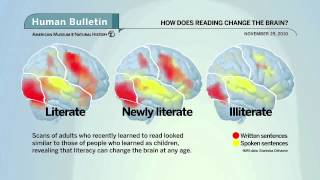
Science Bulletins: How Does Reading Change the Brain?
For the Brain, the Benefits of Being Bilingual
Stress & The Bilingual Brain
Sponsored
View Detailed Profile
Science Bulletins: Bilingual Brain 'Switch' Found

Science Bulletins: Bilingual Brain 'Switch' Found

A recent study led by University College London neuroscientist Cathy Price reveals how the human

Science Bulletins: Language in the Brain

Science Bulletins: Language in the Brain

Why is it that humans can speak but chimpanzees, our closest living relatives, cannot? The human

What the Bilingual Brain Can Teach Us About Code-Switching

What the Bilingual Brain Can Teach Us About Code-Switching

There is a lot of existing neuroscience research concerned with whether or not the

Deconstructing Bilingualism and its Sociocultural Determinants for Research on Cognitive Aging

Deconstructing Bilingualism and its Sociocultural Determinants for Research on Cognitive Aging

...

Being Bilingual May Be The Secret To Delaying Brain Ageing

Being Bilingual May Be The Secret To Delaying Brain Ageing

University of Edinburgh researchers

Sponsored
CeLM in Conversation: The Bilingual Brain

CeLM in Conversation: The Bilingual Brain

CeLM members, Christos Pliatsikas from Psychology and Language

Bilingual Brain: What Part of Our Brain Helps Us Switch Languages

Bilingual Brain: What Part of Our Brain Helps Us Switch Languages

A new study shows what part of our

[Panel] Language Emotions and the Bilingual Brain ENG HD

[Panel] Language Emotions and the Bilingual Brain ENG HD

Executive Control System ...

The neuro-cognitive consequences of bilingualism | Dr Mirjana Bozic

The neuro-cognitive consequences of bilingualism | Dr Mirjana Bozic

Ever wondered how knowing more than one language affects your neural architecture? Join Dr Mirjana Bozic (University of ...

Science Bulletins: How Does Reading Change the Brain?

Science Bulletins: How Does Reading Change the Brain?

A recent study led by neuroscientists at France's National Institute of Health and Medical Research has

For the Brain, the Benefits of Being Bilingual

For the Brain, the Benefits of Being Bilingual

On

Stress & The Bilingual Brain

Stress & The Bilingual Brain

This talk was prepared for TESOL/the Japanese Association for Language Teaching (JALT) special interest group on the

"How do bilinguals switch between languages?"

"How do bilinguals switch between languages?"

Angela de Bruin, researcher at BCBL, explains that if you are