Media Summary: Laurie Santos, a psychologist at Yale University, explains two of our classic economic biases: original source: Psychology Professor Dr. Jordan B. Peterson says that Lily Serna finds out how maths can help us all become smarter with

Critical Thinking How Reference Dependence And Loss Aversion Trick Your Brain - Detailed Analysis & Overview

Laurie Santos, a psychologist at Yale University, explains two of our classic economic biases: original source: Psychology Professor Dr. Jordan B. Peterson says that Lily Serna finds out how maths can help us all become smarter with We are going to be explaining 12 cognitive biases in this video and presenting them in a format that you can easily understand to ... If you hear a lie once, it's a falsehood; if you hear it a thousand times, it starts to feel like a fact. This isn't just a flaw in character, ...
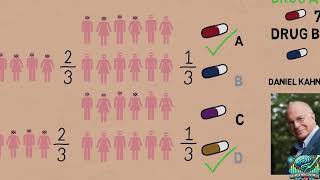
Photo Gallery

Critical Thinking: How Reference Dependence and Loss Aversion Trick Your Brain
CRITICAL THINKING - Cognitive Biases: Reference Dependence and Loss Aversion [HD]
This tool will help improve your critical thinking - Erick Wilberding
Loss Aversion:  A Trick Our Brains Play On Us In Gambling and Life
Are you creative or analytical? Find out in 5 seconds.
Jordan Peterson - The Best Way To Learn Critical Thinking
5 tips to improve your critical thinking - Samantha Agoos
How Psychology Affects Your Decision-Making
Using Brain Teasers to Build Critical Thinking Skills
12 Cognitive Biases Explained - How to Think Better and More Logically Removing Bias
Loss Aversion Explained: Why Your Brain Hates Losing More Than It Loves Winning
Five simple strategies to sharpen your critical thinking | BBC Ideas
Sponsored
View Detailed Profile
Critical Thinking: How Reference Dependence and Loss Aversion Trick Your Brain

Critical Thinking: How Reference Dependence and Loss Aversion Trick Your Brain

Critical Thinking

CRITICAL THINKING - Cognitive Biases: Reference Dependence and Loss Aversion [HD]

CRITICAL THINKING - Cognitive Biases: Reference Dependence and Loss Aversion [HD]

Laurie Santos, a psychologist at Yale University, explains two of our classic economic biases:

This tool will help improve your critical thinking - Erick Wilberding

This tool will help improve your critical thinking - Erick Wilberding

Explore

Loss Aversion:  A Trick Our Brains Play On Us In Gambling and Life

Loss Aversion: A Trick Our Brains Play On Us In Gambling and Life

www.drmarcmilstein.com.

Are you creative or analytical? Find out in 5 seconds.

Are you creative or analytical? Find out in 5 seconds.

Buy

Sponsored
Jordan Peterson - The Best Way To Learn Critical Thinking

Jordan Peterson - The Best Way To Learn Critical Thinking

original source: https://youtu.be/nsZ8XqHPjI4?t=2h17m35s Psychology Professor Dr. Jordan B. Peterson says that

5 tips to improve your critical thinking - Samantha Agoos

5 tips to improve your critical thinking - Samantha Agoos

View full lesson: http://ed.ted.com/lessons/5-tips-to-improve-

How Psychology Affects Your Decision-Making

How Psychology Affects Your Decision-Making

Lily Serna finds out how maths can help us all become smarter with

Using Brain Teasers to Build Critical Thinking Skills

Using Brain Teasers to Build Critical Thinking Skills

In this video, you'll learn more about

12 Cognitive Biases Explained - How to Think Better and More Logically Removing Bias

12 Cognitive Biases Explained - How to Think Better and More Logically Removing Bias

We are going to be explaining 12 cognitive biases in this video and presenting them in a format that you can easily understand to ...

Loss Aversion Explained: Why Your Brain Hates Losing More Than It Loves Winning

Loss Aversion Explained: Why Your Brain Hates Losing More Than It Loves Winning

Most investors

Five simple strategies to sharpen your critical thinking | BBC Ideas

Five simple strategies to sharpen your critical thinking | BBC Ideas

Is

The Illusion of Truth: Why Your Brain Believes Familiar Lies

The Illusion of Truth: Why Your Brain Believes Familiar Lies

If you hear a lie once, it's a falsehood; if you hear it a thousand times, it starts to feel like a fact. This isn't just a flaw in character, ...