Media Summary: Narcolepsy is a chronic condition that causes excessive daytime sleepiness and leads to an increased tendency to fall asleep ... Sleepwalking, or somnambulism, involves walking and other behaviors that are performed during incomplete arousal from The AbiliTV effort/movement to empower people to bring about positive change through people power. Information Disclaimer ...

2 Minute Neuroscience Sleep Paralysis - Detailed Analysis & Overview

Narcolepsy is a chronic condition that causes excessive daytime sleepiness and leads to an increased tendency to fall asleep ... Sleepwalking, or somnambulism, involves walking and other behaviors that are performed during incomplete arousal from The AbiliTV effort/movement to empower people to bring about positive change through people power. Information Disclaimer ... Tinnitus, sometimes called “ringing in the ears,” involves hearing a sound that cannot be linked to an external stimulus. In this ... Fatal insomnia is a very rare neurodegenerative disease characterized by progressively worsening insomnia and eventual death. The vagus nerve is a long cranial nerve that stretches from the brainstem to the colon and is involved in an extensive list of ...

Frontotemporal dementia, or FTD, is a term used to describe a collection of related brain disorders that involve the ... Restless legs syndrome (RLS) is a condition that causes an urge to move the legs that often occurs along with uncomfortable ...

Photo Gallery

2-Minute Neuroscience: Sleep Paralysis
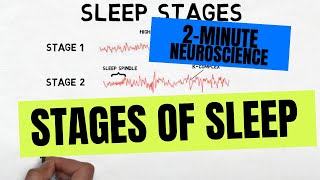
2-Minute Neuroscience: Stages of Sleep
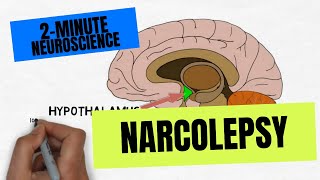
2-Minute Neuroscience: Narcolepsy
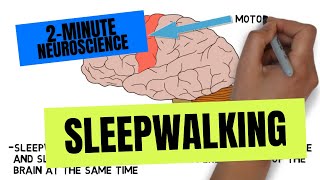
2-Minute Neuroscience: Sleepwalking
2 Minute Neuroscience on Hearts of Kyber Sleep Series Sleep Paralysis AbiliTV
2-Minute Neuroscience: Tinnitus
What is Sleep Paralysis ?  | 2-Minute Neuroscience
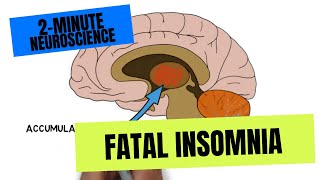
2-Minute Neuroscience: Fatal Insomnia
2-Minute Neuroscience: Lucid Dreaming
2-Minute Neuroscience: Vagus Nerve (Cranial Nerve X)
2-Minute Neuroscience: Frontotemporal Dementia (FTD)
2-Minute Neuroscience: Corticospinal Tract
Sponsored
View Detailed Profile
2-Minute Neuroscience: Sleep Paralysis

2-Minute Neuroscience: Sleep Paralysis

Sleep paralysis

2-Minute Neuroscience: Stages of Sleep

2-Minute Neuroscience: Stages of Sleep

Sleep

2-Minute Neuroscience: Narcolepsy

2-Minute Neuroscience: Narcolepsy

Narcolepsy is a chronic condition that causes excessive daytime sleepiness and leads to an increased tendency to fall asleep ...

2-Minute Neuroscience: Sleepwalking

2-Minute Neuroscience: Sleepwalking

Sleepwalking, or somnambulism, involves walking and other behaviors that are performed during incomplete arousal from

2 Minute Neuroscience on Hearts of Kyber Sleep Series Sleep Paralysis AbiliTV

2 Minute Neuroscience on Hearts of Kyber Sleep Series Sleep Paralysis AbiliTV

The AbiliTV effort/movement to empower people to bring about positive change through people power. Information Disclaimer ...

Sponsored
2-Minute Neuroscience: Tinnitus

2-Minute Neuroscience: Tinnitus

Tinnitus, sometimes called “ringing in the ears,” involves hearing a sound that cannot be linked to an external stimulus. In this ...

What is Sleep Paralysis ?  | 2-Minute Neuroscience

What is Sleep Paralysis ? | 2-Minute Neuroscience

Sleep paralysis

2-Minute Neuroscience: Fatal Insomnia

2-Minute Neuroscience: Fatal Insomnia

Fatal insomnia is a very rare neurodegenerative disease characterized by progressively worsening insomnia and eventual death.

2-Minute Neuroscience: Lucid Dreaming

2-Minute Neuroscience: Lucid Dreaming

In this video, I discuss the

2-Minute Neuroscience: Vagus Nerve (Cranial Nerve X)

2-Minute Neuroscience: Vagus Nerve (Cranial Nerve X)

The vagus nerve is a long cranial nerve that stretches from the brainstem to the colon and is involved in an extensive list of ...

2-Minute Neuroscience: Frontotemporal Dementia (FTD)

2-Minute Neuroscience: Frontotemporal Dementia (FTD)

Frontotemporal dementia, or FTD, is a term used to describe a collection of related brain disorders that involve the ...

2-Minute Neuroscience: Corticospinal Tract

2-Minute Neuroscience: Corticospinal Tract

... TRANSCRIPT: Welcome to

2-Minute Neuroscience: Restless Legs Syndrome

2-Minute Neuroscience: Restless Legs Syndrome

Restless legs syndrome (RLS) is a condition that causes an urge to move the legs that often occurs along with uncomfortable ...