Media Summary: Visit us ( for health and medicine content or ... This video, created in collaboration with our Horizon Infectious Disease specialists, explores the fundamentals of human ... What is it, and are we close to a cure? SHARE on Twitter: & Facebook: Get a FREE ...

Hiv And Aids - Detailed Analysis & Overview

Visit us ( for health and medicine content or ... This video, created in collaboration with our Horizon Infectious Disease specialists, explores the fundamentals of human ... What is it, and are we close to a cure? SHARE on Twitter: & Facebook: Get a FREE ... Dr. Barbara Lea discusses the difference between Can you get HIV through...watch now to stay informed with infectious diseases physician Dr.Issa. About 37 million people around the world are currently living with

On the 40th anniversary of the first reported cases of In this video, Dr. Marisa Holubar explains how anyone can get In the first video of our two part series on
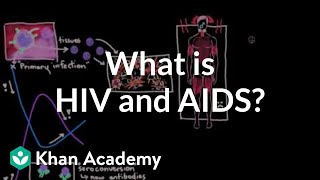
Photo Gallery

What is HIV and AIDS? | Infectious diseases | NCLEX-RN | Khan Academy
HIV/AIDS: Understanding the Basics
The Science of HIV/AIDS
Why it’s so hard to cure HIV/AIDS - Janet Iwasa
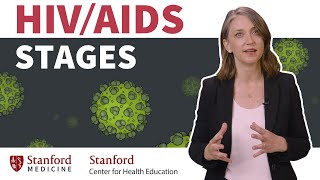
What is HIV / AIDS and how does it affect your body? | Stanford Center for Health Education
HIV AIDS Nursing: Symptoms, Pathophysiology, Life Cycle, Treatment, ART NCLEX
What is the Difference Between HIV and AIDS? | AIDS in KC #aids #hiv #kansascity
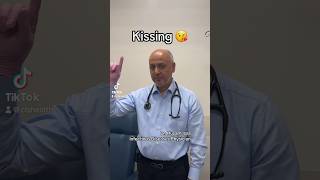
Can you get HIV through...watch now to stay informed with infectious diseases physician Dr.Issa.#HIV
HIV/AIDS: Plague of the 21st Century
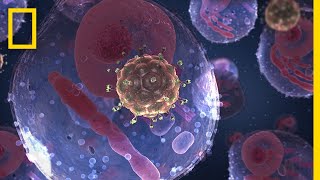
AIDS 101 | National Geographic
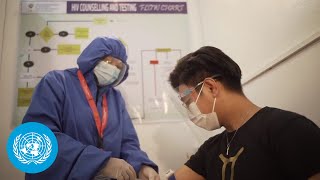
Fighting HIV/AIDS - You are not alone
HIV / AIDS Prevention: Know the biggest risk factors for transmission | Stanford
Sponsored
View Detailed Profile
What is HIV and AIDS? | Infectious diseases | NCLEX-RN | Khan Academy

What is HIV and AIDS? | Infectious diseases | NCLEX-RN | Khan Academy

Visit us (http://www.khanacademy.org/science/healthcare-and-medicine) for health and medicine content or ...

HIV/AIDS: Understanding the Basics

HIV/AIDS: Understanding the Basics

This video, created in collaboration with our Horizon Infectious Disease specialists, explores the fundamentals of human ...

The Science of HIV/AIDS

The Science of HIV/AIDS

What is it, and are we close to a cure? SHARE on Twitter: http://bit.ly/1NalHm8 & Facebook: http://on.fb.me/1MTLpMp Get a FREE ...

Why it’s so hard to cure HIV/AIDS - Janet Iwasa

Why it’s so hard to cure HIV/AIDS - Janet Iwasa

View full lesson: https://ed.ted.com/lessons/why-it-s-so-hard-to-cure-

What is HIV / AIDS and how does it affect your body? | Stanford Center for Health Education

What is HIV / AIDS and how does it affect your body? | Stanford Center for Health Education

Dr. Marisa Holubar explains what

Sponsored
HIV AIDS Nursing: Symptoms, Pathophysiology, Life Cycle, Treatment, ART NCLEX

HIV AIDS Nursing: Symptoms, Pathophysiology, Life Cycle, Treatment, ART NCLEX

HIV and AIDS

What is the Difference Between HIV and AIDS? | AIDS in KC #aids #hiv #kansascity

What is the Difference Between HIV and AIDS? | AIDS in KC #aids #hiv #kansascity

Dr. Barbara Lea discusses the difference between

Can you get HIV through...watch now to stay informed with infectious diseases physician Dr.Issa.#HIV

Can you get HIV through...watch now to stay informed with infectious diseases physician Dr.Issa.#HIV

Can you get HIV through...watch now to stay informed with infectious diseases physician Dr.Issa.#HIV

HIV/AIDS: Plague of the 21st Century

HIV/AIDS: Plague of the 21st Century

In the 1980s,

AIDS 101 | National Geographic

AIDS 101 | National Geographic

About 37 million people around the world are currently living with

Fighting HIV/AIDS - You are not alone

Fighting HIV/AIDS - You are not alone

On the 40th anniversary of the first reported cases of

HIV / AIDS Prevention: Know the biggest risk factors for transmission | Stanford

HIV / AIDS Prevention: Know the biggest risk factors for transmission | Stanford

In this video, Dr. Marisa Holubar explains how anyone can get

How HIV First Started in Humans

How HIV First Started in Humans

In the first video of our two part series on